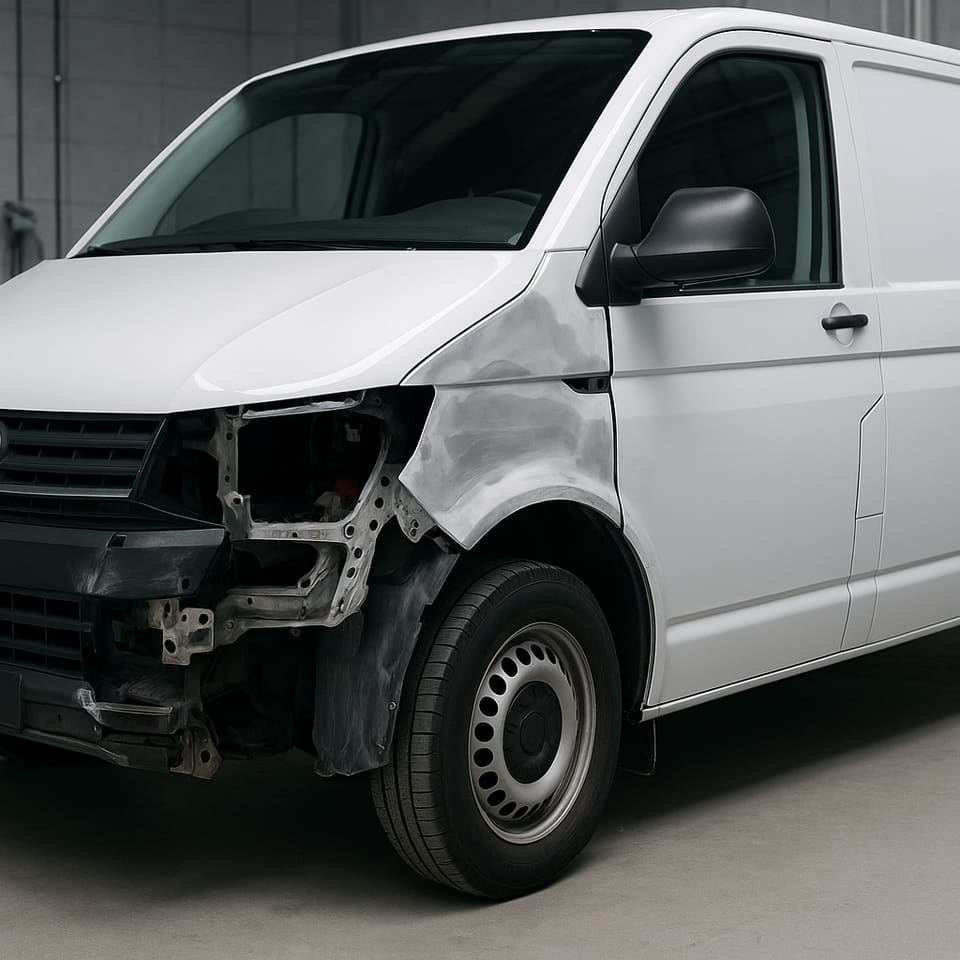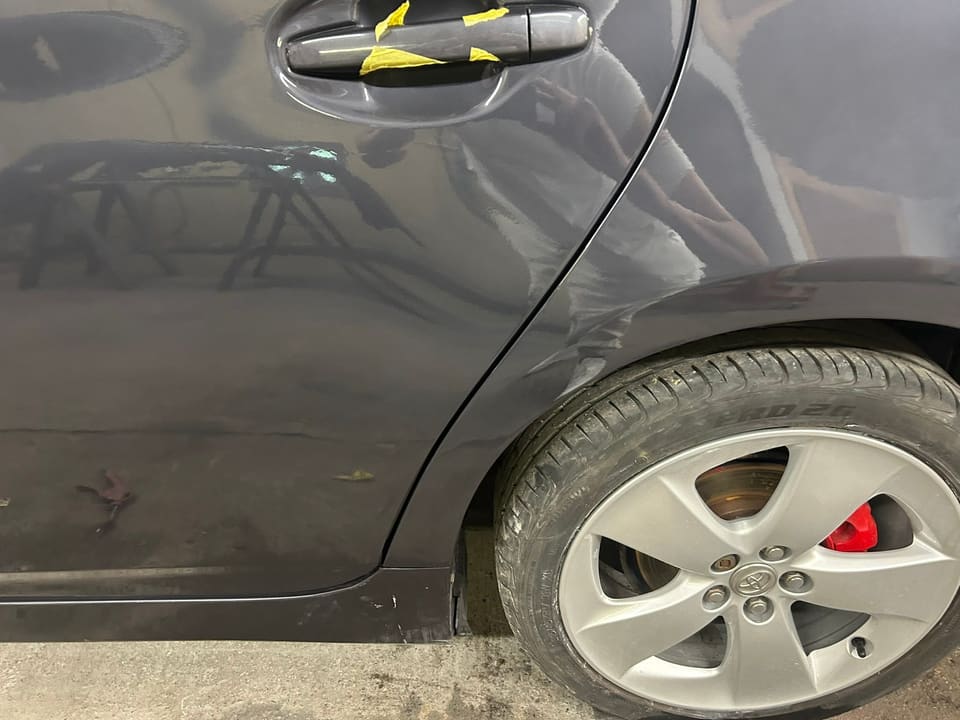
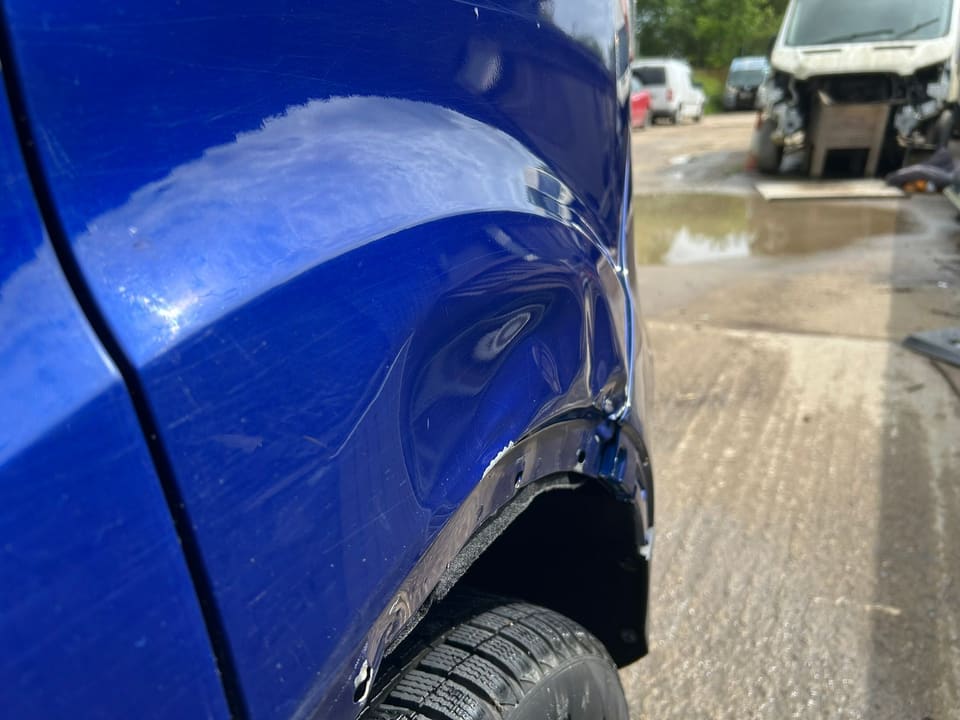
Photograph the damage and the scene, look for a note, witnesses or cameras, and report it to the police if the driver did not leave their details. Then tell your insurer and check your policy before deciding whether to claim. A driver who hits a parked car must stop and give details, or report it to the police within 24 hours.
If you come back to your car and find a new dent or scrape, start by taking photos, then look for a note, witnesses and cameras before you leave. If the driver did not leave their details, report it to the police. Then tell your insurer and read your policy before you decide whether to claim or pay for the repair yourself. This is general information, not legal advice.
Being in a collision yourself, where you can swap details on the spot, is covered in our guide on what to do after a minor car accident.
What does the law say the other driver should have done?
A driver who hits your parked car has duties under the law. Rule 286 of the Highway Code says that if you are involved in a collision which causes damage to any other vehicle, you must stop. You must give your name and address, the vehicle owner's name and address and the registration number to anyone with reasonable grounds for asking.
The rule does not have a separate section for parked cars, but it covers damage to any vehicle. If the driver does not give their details at the time the rule says they must report it to the police as soon as reasonably practicable, and in any case within 24 hours.
What should you do first when you find the damage?
Before you drive off, gather:
- Photos of the damage. Close-ups and wider shots that show the whole panel.
- Photos of the scene. Where the car was parked, the space next to it, any paint transfer (a smear of another car's colour on yours) and any broken bits of plastic on the ground.
- The time and place. Note when you parked, when you came back and exactly where.
The Motor Insurers' Bureau's advice on what to do after an accident also stresses photos, the time and date, and witness contact details.
Was there a note on the windscreen?
Check under the wipers. If a driver left a name and phone number, photograph the note, keep it and get in touch. Ask for the registration and their insurer's name if the note does not include them.
If the driver contacts you and admits it, write down what they say and keep any messages. Do not agree a private cash deal before you know what the repair will cost.
Did anyone see it, and is there CCTV?
Ask nearby. A shop, a neighbour or a car park attendant may have seen it. Get names and phone numbers while you can.
Look for cameras. Car parks, petrol stations and many homes have them. Ask the owner quickly, because recordings are often kept for a short time before being overwritten. Check whether your own car has a dashcam with a parking mode, and save the footage straight away.
Do you need to report it to the police?
If the driver left their details, it is between you, them and the insurers. If they did not, report it to the police. The MIB says that for hit-and-run claims you must report the accident to the police before you start a claim with them. Keep any reference number they give you.
Should you tell your insurer?
The MIB says to report an accident to your insurer promptly, even if you do not plan to claim. What happens to your excess and no-claims discount depends on your own policy, so check it or ask your insurer.
If the other driver is known and insured, the claim may go to their insurer. Our article on whether to claim for a scratch or dent explains why it is worth knowing the repair price before you decide.
What if the driver was uninsured or cannot be traced?
The Motor Insurers' Bureau deals with claims involving uninsured and untraced drivers. Its page on who can claim lists property damage among the claims it handles, as long as there is proof of the damage and the cost of the repair can be shown. It gives a time limit for property damage of six years from the date of the accident in England and Wales. Not every case qualifies, so check the MIB's pages.
What if you are unhappy with how your insurer handles it?
Complain to the insurer first. The Financial Ombudsman Service's page on how to complain about a financial business says that for most complaints the business has up to eight weeks to consider it. After its final response, you have six months to take the complaint to the ombudsman. The service is free.
Getting the damage looked at
Car park damage is usually a door dent, a bumper corner or a scrape. A dent with the paint intact may suit our paintless dent repair, which keeps the original paint. A split or scraped bumper is a job for our plastic bumper repair service, and paint scrapes are covered by our scratch and scuff repairs. We are in Smallfield, near Horley and Gatwick, and a written price helps when deciding whether to claim.
Getting a price from us
Send photos of the damage on WhatsApp on 07724 146 809, ring 01342 649 362 or email info@ericraft.co.uk. The quote is free and there is no pressure. There are more ways to reach us on our contact page.
Questions people ask
Does a driver have to leave a note if they hit a parked car?
The Highway Code says a driver who damages another vehicle must stop and give their details to anyone with reasonable grounds to ask. If they cannot do that, they must report it to the police as soon as reasonably practicable and within 24 hours.
Should I report a hit-and-run on my parked car to the police?
Yes, if the driver did not leave their details. The MIB says you must report a hit-and-run to the police before claiming with them, and your insurer will probably ask for the police reference.
Do I have to tell my insurer if I am not claiming?
Many policies say you must tell them about any incident, claim or not. Check your own policy wording or ask your insurer.
Can a car park dent be repaired without painting?
Often, if the paint is not cracked and the dent is not on a sharp edge. Paintless dent repair pushes the metal back from behind. Send us a photo and we will tell you if it suits.
Sources and further reading
- GOV.UK, The Highway Code, breakdowns and incidents (rules 274 to 287)
- Motor Insurers' Bureau, home page
- Motor Insurers' Bureau, can I claim with MIB
- Motor Insurers' Bureau, what to do after an accident
- Financial Ombudsman Service, how to complain
This page gives general information, not legal or insurance advice. Check your own policy and the official pages above.